
Is A Flop Era Always A Bad Thing?
 Jason Toledo
 August 19, 2025
Being an artist at the top of your game can be a bittersweet feeling. For one, it is amazing to be at the top of the charts, seeing your most successful moments in your career happen, creating an extremely gratifying feeling. However, when that is all over, you are left with the task of following up that era of your art, whether it’s an album, a single, or a collaboration. Many artists sometimes tend to have trouble doing this, with some of their most successful work behind them, it is hard to top it or follow it up with equal or greater success.
While many artists are great at staying at the top of the charts, keeping themselves relevant, and eventually developing into iconic status, some struggle to keep a consistently successful career, entering what is widely known in the internet as a “Flop” Era. This word sounds harsh, and it can be in the context of which it is used, nonetheless I believe that flop eras are not necessarily a bad thing. Today I want to talk to you about how a flop era can be a defining and important stage in a musical artist’s journey, and can sometimes turn around to be a good thing. But first we must discuss the question at the top of this conversation.
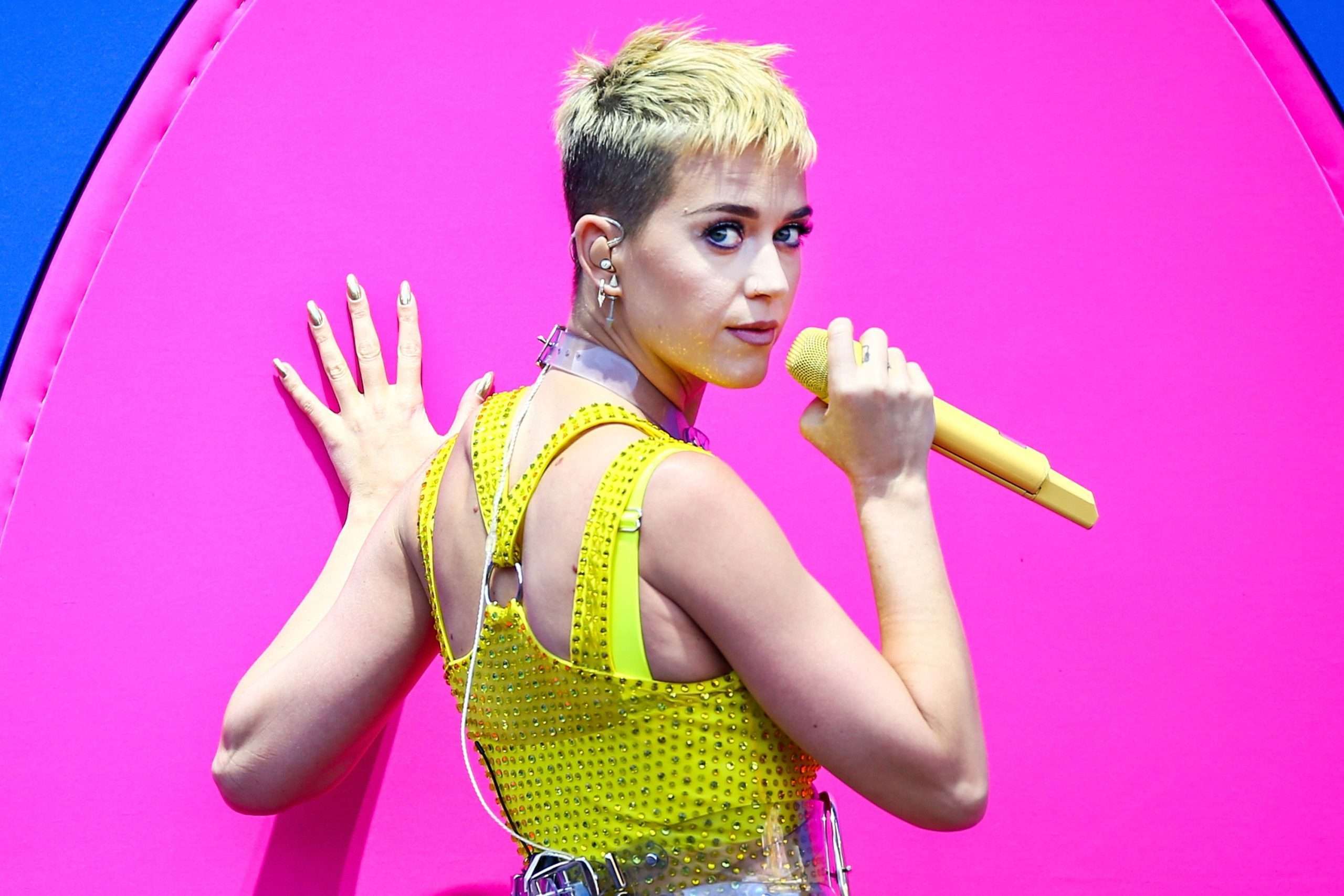
What Is A Flop Era?
A “Flop” Era is defined as a term often used in pop culture, especially in the entertainment and music industries, to describe a period when a celebrity, artist, or public figure experiences a noticeable decline in popularity, success, or public approval. During a flop era, their projects such as albums, films, or performances may receive poor reviews, low sales, or minimal public interest compared to their past successes.
It’s not necessarily permanent, but it signals a downturn in their career momentum. Fans and media often use the term either critically or humorously, sometimes to express disappointment or to acknowledge a temporary dip in their favorite artist’s influence. A flop era can be used to describe any form of success that is below what is usually expected from an artist. This is a subjective matter though, as you may see to realize as I speak on this topic further. Even artists with amazing careers, such as Lady Gaga, Taylor Swift or Beyonce have been described as being in their “Flop Era” at some point. Which leads to the question…

Flop or Not?
While the word “Flop” may indicate that an artist may be having little to no success, or may diminish an artist’s work, that is not to always say that the artist is in fact not seeing any success. The main example I can think of when talking about this is Lady Gaga’s ARTPOP Album. In 2013 Gaga was riding the wave of the successes of her critically acclaimed Born This Way, which proved to be a major success for her. She then followed up this album with ARTPOP, an album with a more synthwave, dance, eclectic feel to it, in comparison to the dark pop vibes of its predecessor.
ARTPOP was labeled a “flop” by some due to a combination of high expectations, mixed critical reception, and perceived underperformance compared to her previous albums. Following the massive success of The Fame, The Fame Monster, and Born This Way, ARTPOP was marketed as a groundbreaking “reverse Warholian” project, blending pop and high art. However, despite debuting at number one on the Billboard 200, its sales dropped sharply in subsequent weeks, and it failed to produce long-lasting hit singles on the scale of her earlier work. Additionally, behind-the-scenes issues such as management changes, Gaga’s health struggles, and a rushed promotional cycle, further contributed to the narrative of disappointment. Over time, however, the album has gained a cult following, with fans and some critics re-evaluating its experimental sound and bold artistic ambition more favorably. Which leads me to the next topic.
Artistic Evolution
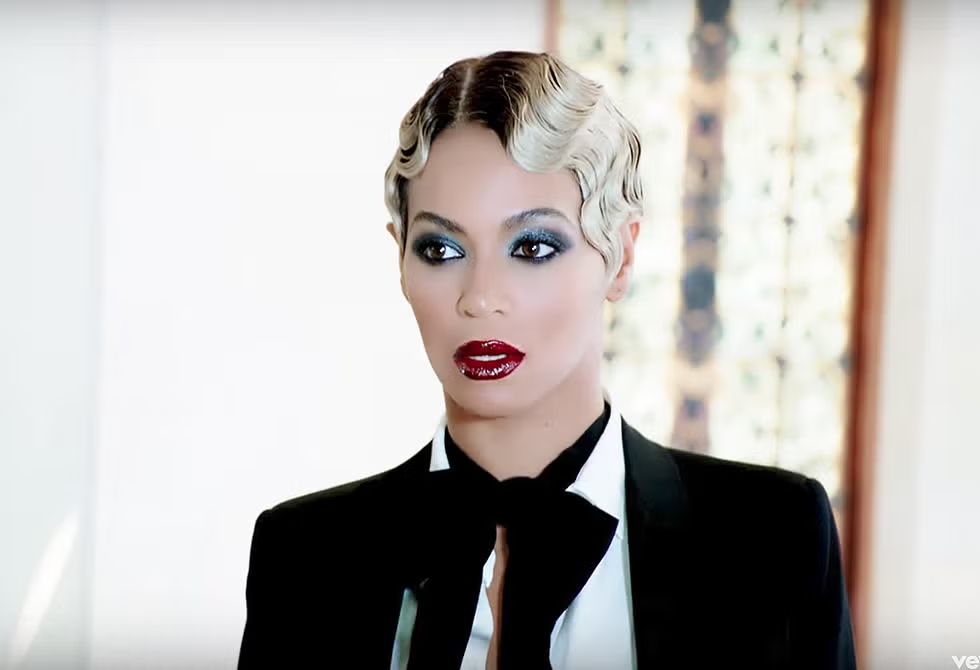
An Artist’s flop era is often seen in a negative light, however no one ever truly acknowledges the positives that can come from experiencing a flop era. In many examples, a flop era can calm before a successful storm. Take for example Beyonce’s 4 album, which underperformed compared to its predecessors, however it came right before the major success and defining album that would be the self titled Beyonce album.
While often seen as a setback, a flop era can actually benefit an artist’s long-term success by fostering growth, resilience, and artistic evolution. When commercial expectations aren’t met, artists are often freed from the pressure to conform, giving them space to experiment, redefine their sound, and reconnect with their creative identity. These periods can also deepen an artist’s relationship with their core fanbase, who often rally in support during challenging times. Moreover, a flop era can create a compelling comeback narrative, when an artist returns stronger, their renewed success is often amplified by the contrast. Ultimately, these moments of perceived failure can lay the groundwork for reinvention, authenticity, and more meaningful artistic achievements.
Final Thoughts
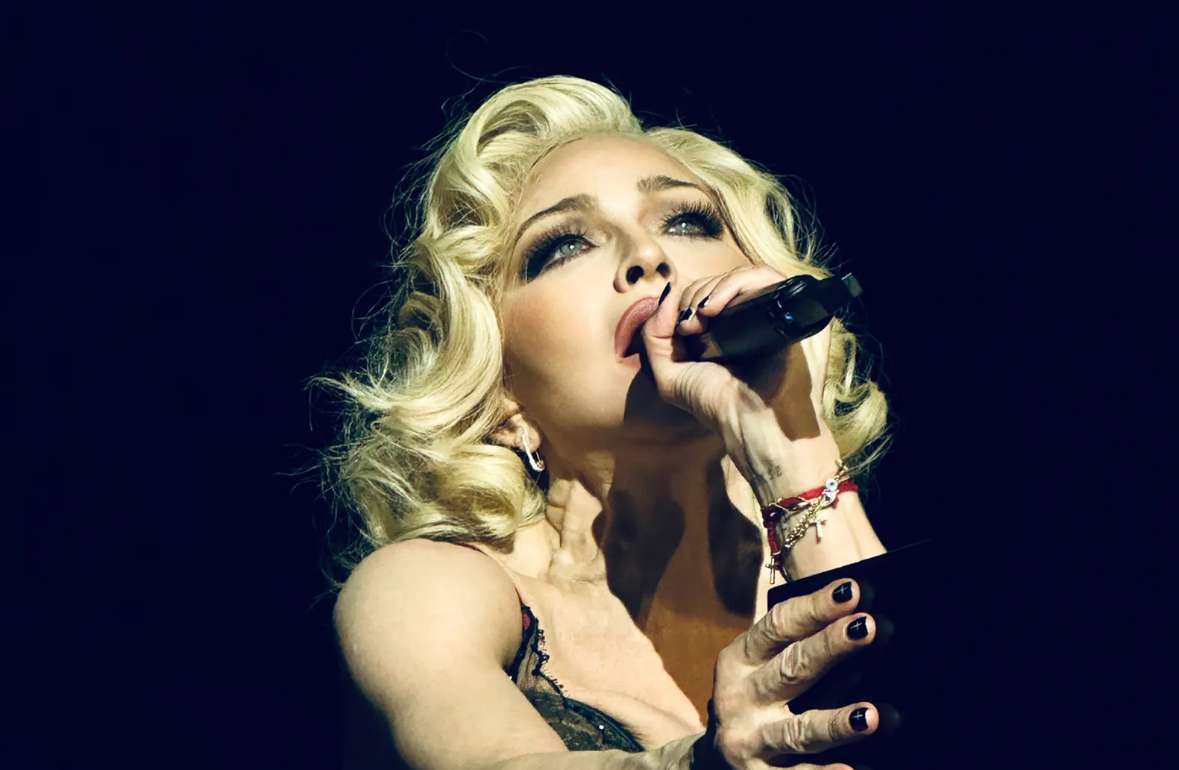
A flop era, while typically defined as a negative bad state of an artist’s career, should not always be seen as such. Many artists who go through flop eras typically go through an artistic evolution that brings forward some experimental sounds, original ideas, or different ventures that can find them various amounts of success in many different ways.
At the end of the day however, these artists are constantly learning and growing. A flop era does not define an artist’s body of work, rather it can simply just be a time for growth, and for the artists to truly reevaluate what they want to show, portray, or create. Many artists go through flop eras, or dips in success, and that is just a part of being in the entertainment industry.
Born and raised in Houston, Texas, Jason is a Communications Major at the University of Houston. He has always had a love and passion for going out and exploring new locations to visit in Houston. When he is not going out with his friends to new local spots around the city, he is spending time with his family, working on personal creative projects or diving into his love for the performing arts.