
Food Fads: Hits and Misses
 Macy Jones
 September 4, 2025
Food trends seem to move faster than ever. One week, TikTok influencers are raving about a new superfood, and the next, the hype has already shifted to a quirky snack or diet challenge. For anyone who spends time online, it’s almost impossible not to notice the wave of food obsessions sweeping through our feeds. Some of them genuinely add value to our diets, introducing us to high-protein staples, unique global flavors, or fun new ways of eating everyday ingredients. Others, though, feel more like empty fads: restrictive diets, overpriced powders, or meals built more for aesthetic appeal than nutritional balance. When faced with the high-protein boost of cottage cheese to the controversy of the carnivore diet, we have to ask the question: which food obsessions deserve a spot in your kitchen and which ones should fade into the background?
I’ll be diving into several of the most viral food fads of recent years and breaking them down into “hits” and “misses.” By looking at how they became popular, what people are saying about them, and my own take, we can separate the trends worth keeping from those better left in the past. From old-school staples making a comeback to flashy viral snacks, let’s see which ones are worth keeping around.
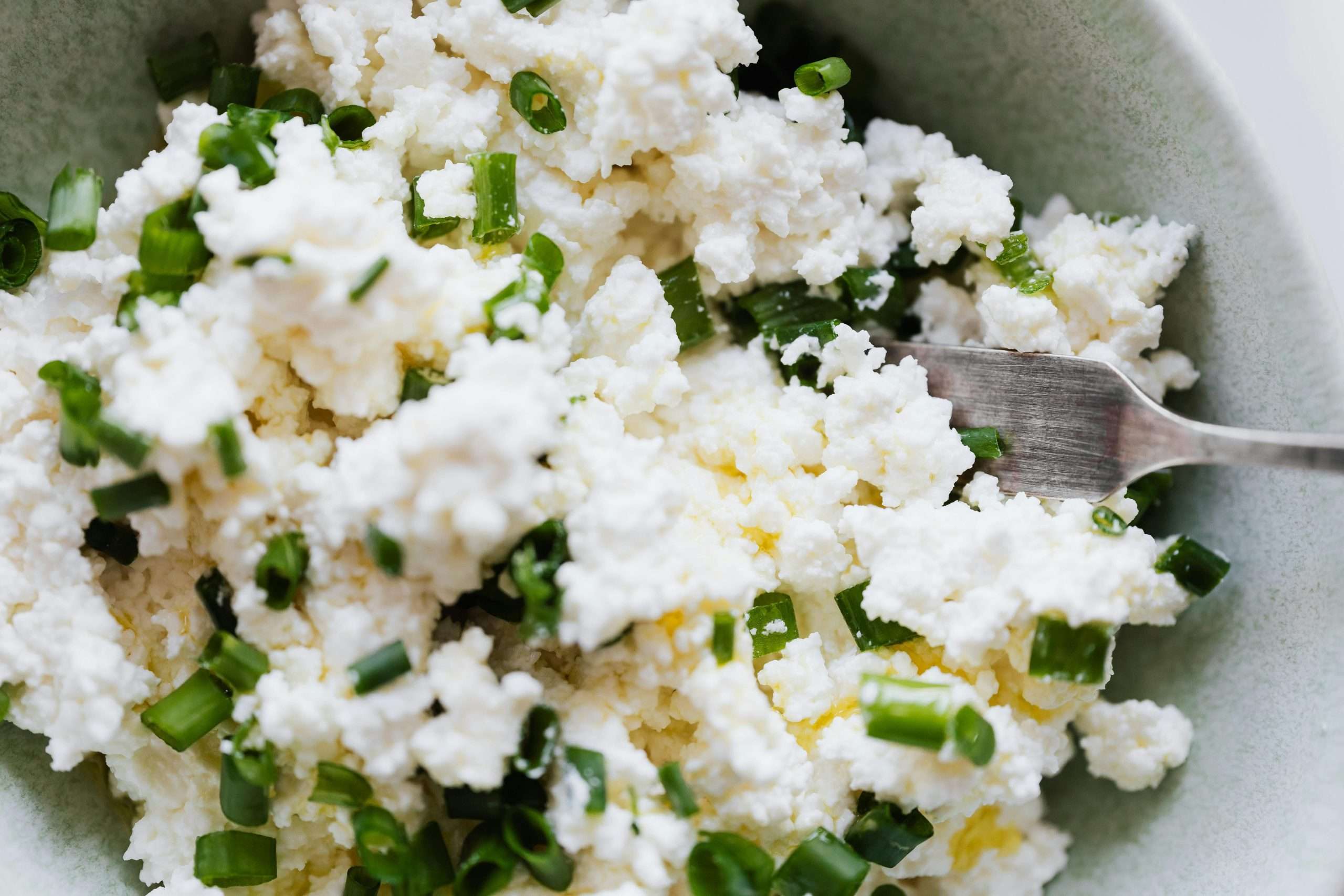
Cottage Cheese – Hit
Cottage cheese went from being an overlooked fridge item to the star of TikTok meal hacks. People blend it into pasta sauce, whip it into desserts, or just pile it onto toast. Its rise came from one big selling point: protein. It’s filling, relatively low in fat, and surprisingly versatile.
Public opinion is mixed. Fitness fans and high-protein eaters swear by it, while others just can’t get past the lumpy texture. There are also valid concerns about sodium levels and lactose intolerance.
For me, cottage cheese is a solid hit. It’s not the most attractive food out there, but it does the job. If you can get used to the texture, it’s a budget-friendly, nutrient-dense addition to almost any meal.
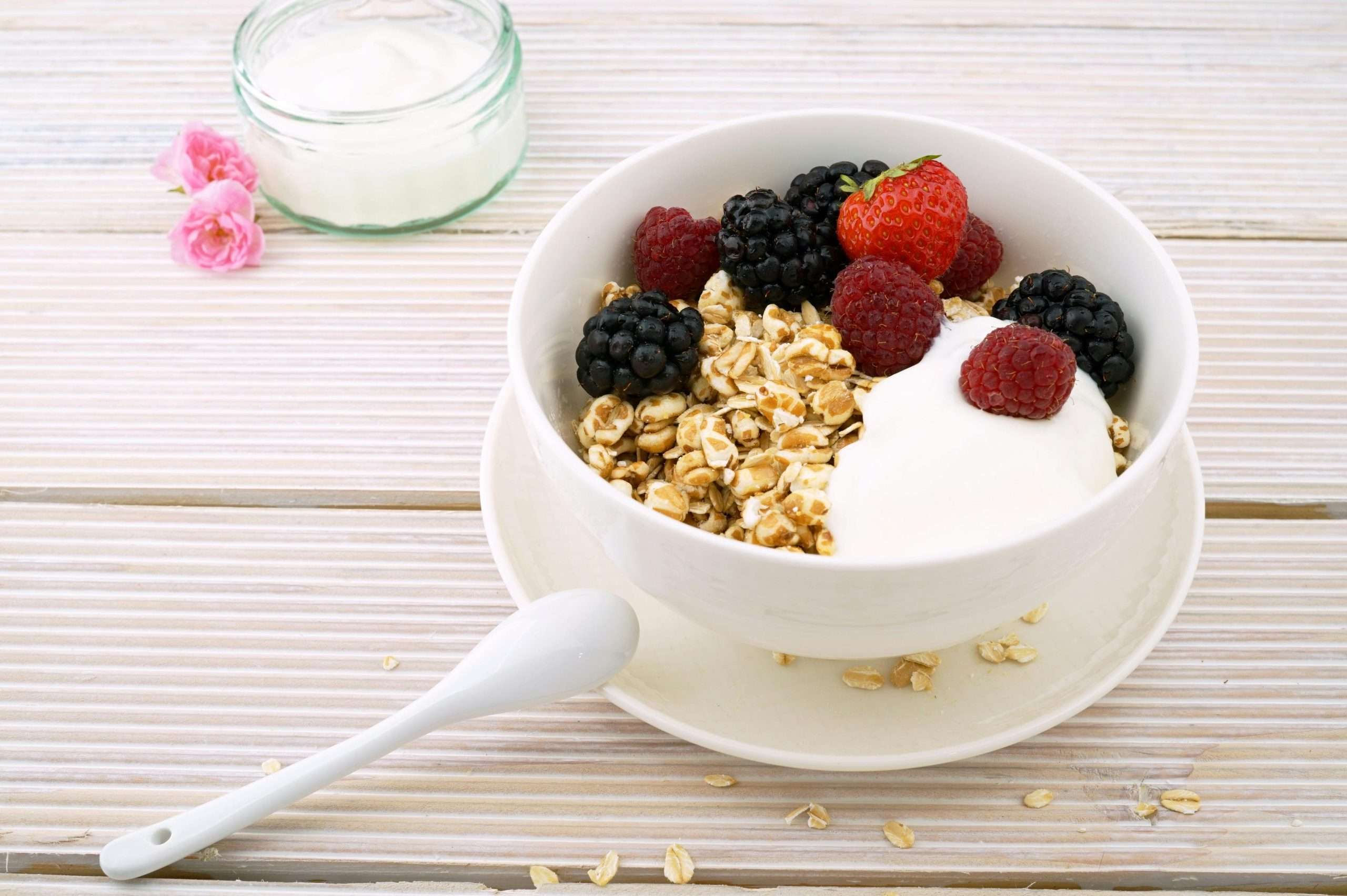
Greek Yogurt – Hit
Greek yogurt’s popularity has been steady for years, and for good reason. It’s thicker and creamier than regular yogurt, with way more protein. People use it as a healthier replacement for sour cream, mayo, or even as a baking ingredient.
Many people love the texture and versatility, but the complaints usually come down to price and added sugars in flavored versions. Plain Greek yogurt can also taste a little too tart for some people.
I’d deem Greek yogurt another hit. It’s a convenient, nutrient-packed staple that’s easy to work into a daily routine. Just go for the plain version and add your own toppings to keep it healthy.
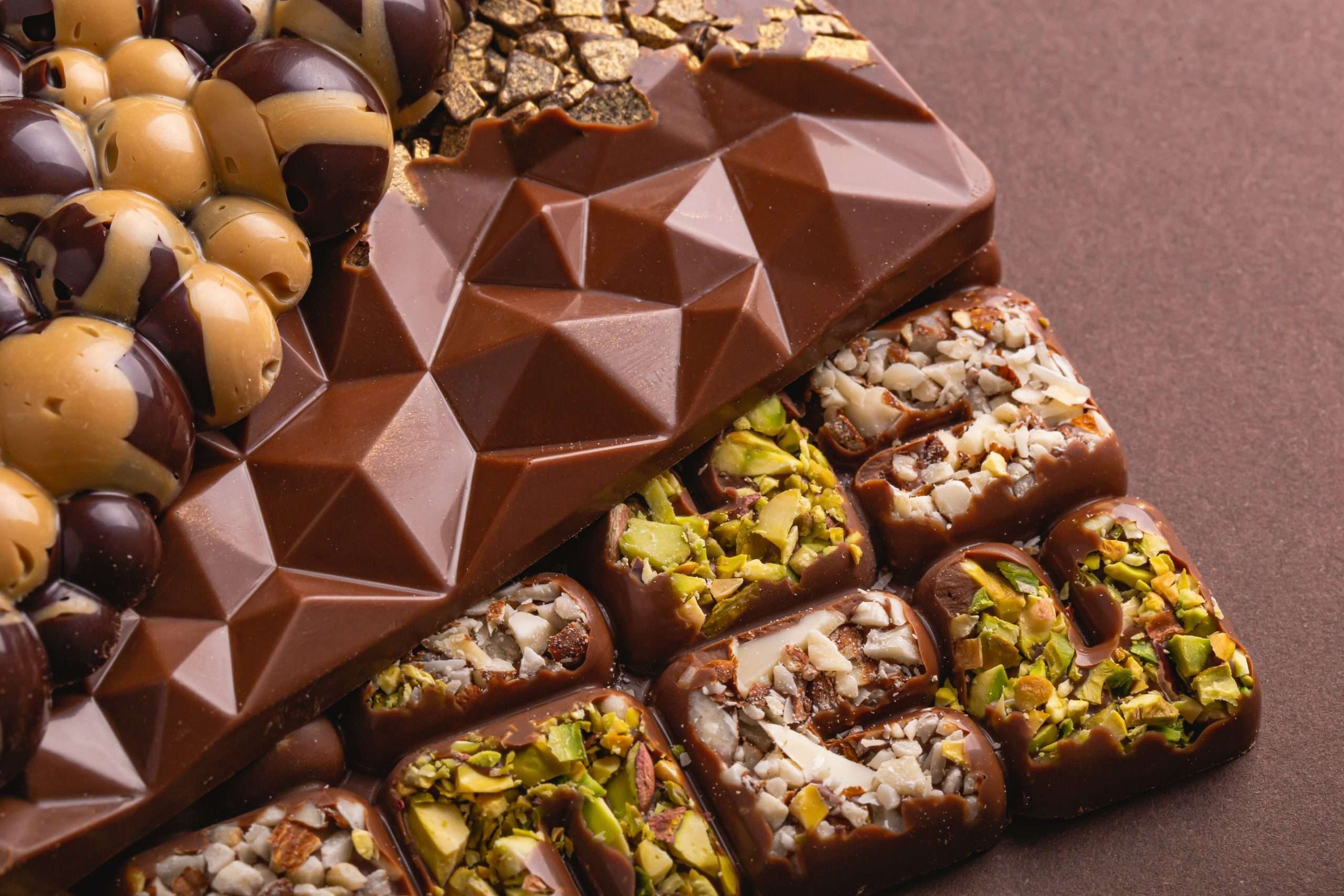
Dubai Chocolate Bar – Hit
The Dubai chocolate bar, created by Fix Dessert Chocolatier, blew up on social media thanks to its eye-catching cross-section: chocolate on the outside, pistachio cream, tahini, and crunchy phyllo on the inside.
Fans rave about the mix of textures and flavors it feels luxurious without being overly sweet. Critics, however, point out how expensive and hard to find the authentic bars are, and that many knock-offs don’t live up to the hype.
My take: it’s a hit It may be pricey, but it’s genuinely different from your average candy bar. As long as you know what you’re buying (and avoid the low-quality dupes), it’s worth the experience.
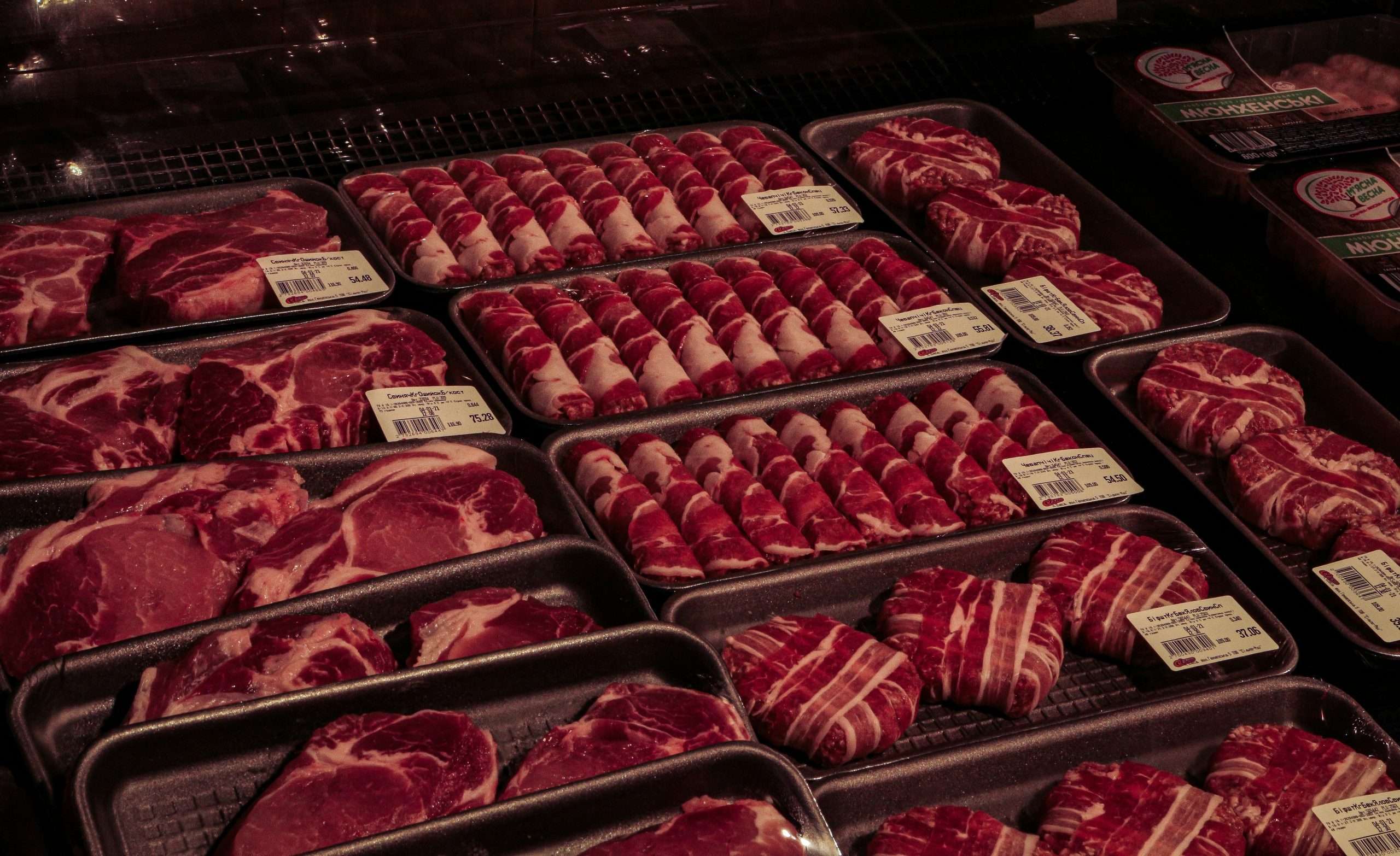
Carnivore Diet – Miss
The carnivore diet is one of the most extreme food fads to go mainstream: only eat animal products, nothing else. Supporters say it helps with weight loss, mood, and blood sugar, but medical experts almost universally disagree. Eliminating fruits, vegetables, and whole grains strips away fiber, vitamins, and long-term sustainability.
Public reaction has been skeptical, with many seeing it as just another restrictive trend.
This one is a miss for me. High protein is great, but cutting out plant-based foods isn’t healthy long-term. Balance is key, and this diet doesn’t have any.
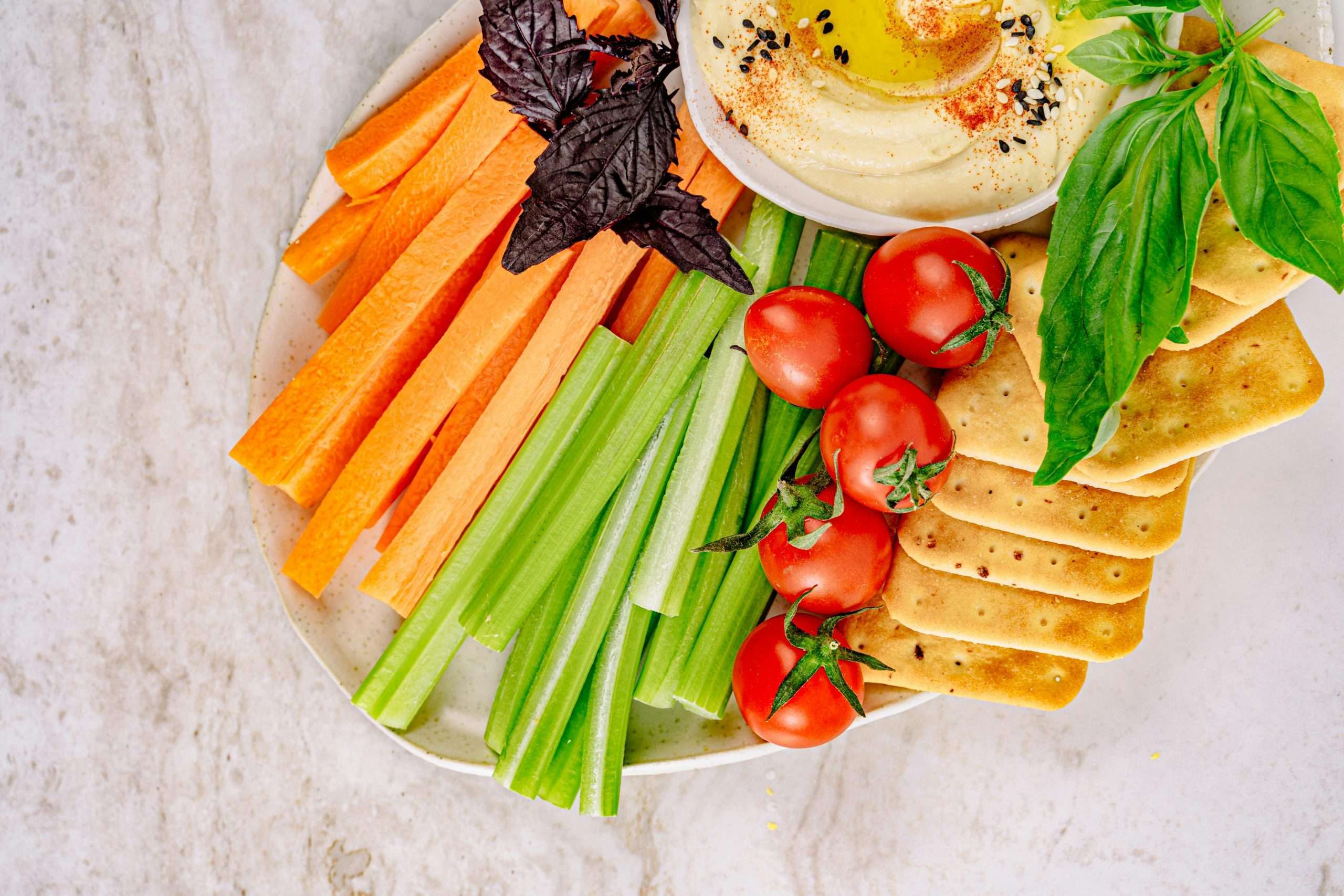
Tiffany Plate – Miss
The Tiffany Plate is one of those fads that looks good in a flat lay but doesn’t make sense in real life. It’s usually cottage cheese, mustard, chicken sausage, and a bunch of raw veggies, hyped up as this magical health plate.
The problem? It’s not a balanced plate. Critics note it’s too low in calories, too reliant on aesthetics, and built on misleading health claims. The Lyme disease “cure” claim especially hurt its credibility.
While it does encourage eating more vegetables, I’d still call it a miss. It looks nice, but it’s not satisfying or sustainable as an actual meal.
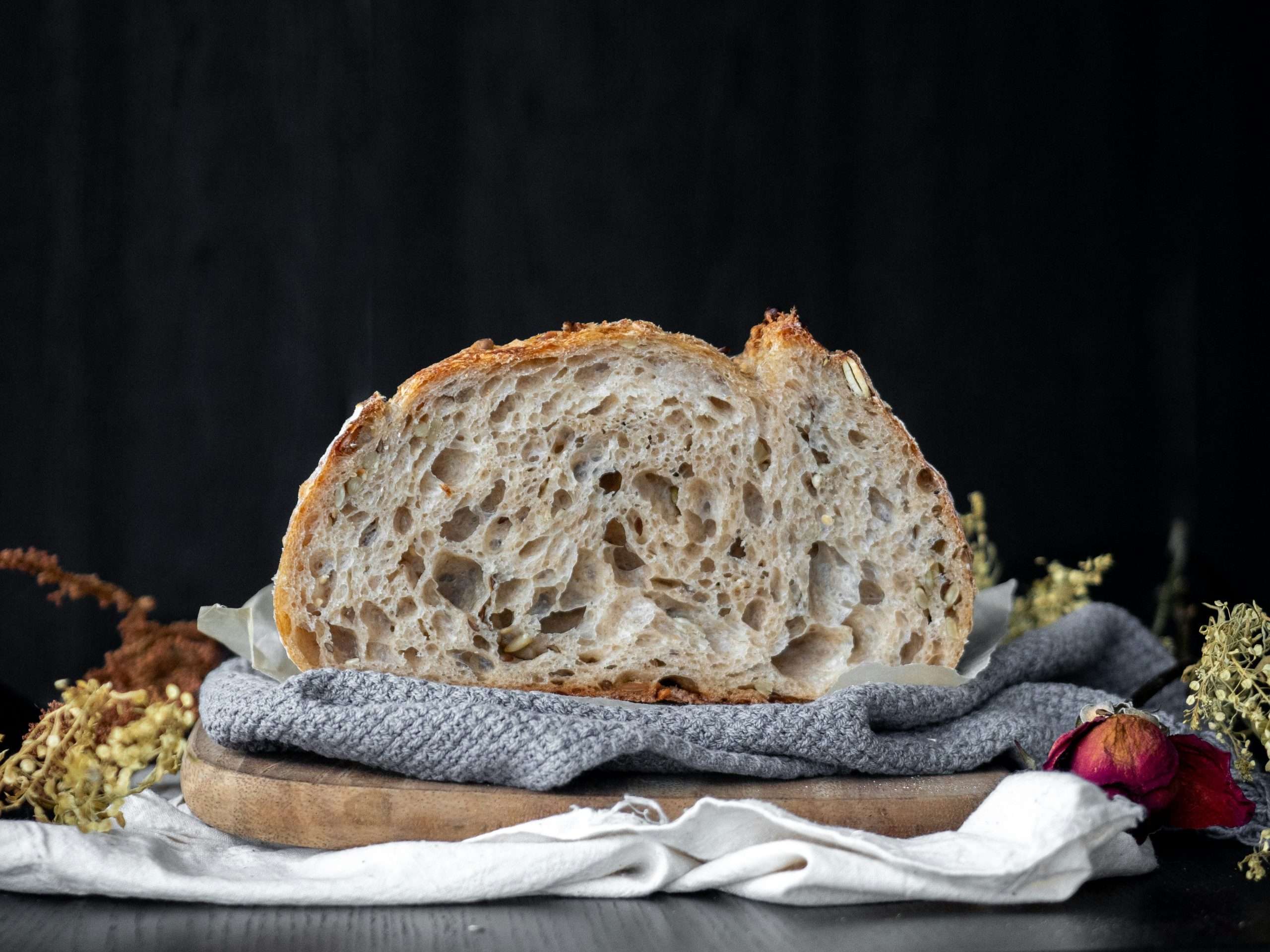
Sourdough – Hit
Sourdough bread had its moment during the pandemic, when everyone suddenly became a home baker. Beyond the trend, sourdough has staying power: it’s flavorful, digestible thanks to natural fermentation, and has a sense of tradition to it.
The downsides are the time and effort it takes to maintain a starter and bake regularly. But most people who’ve tried it say the payoff is worth it.
I’m calling sourdough a hit. It’s one of the few fads that has proven itself more than just a passing trend.
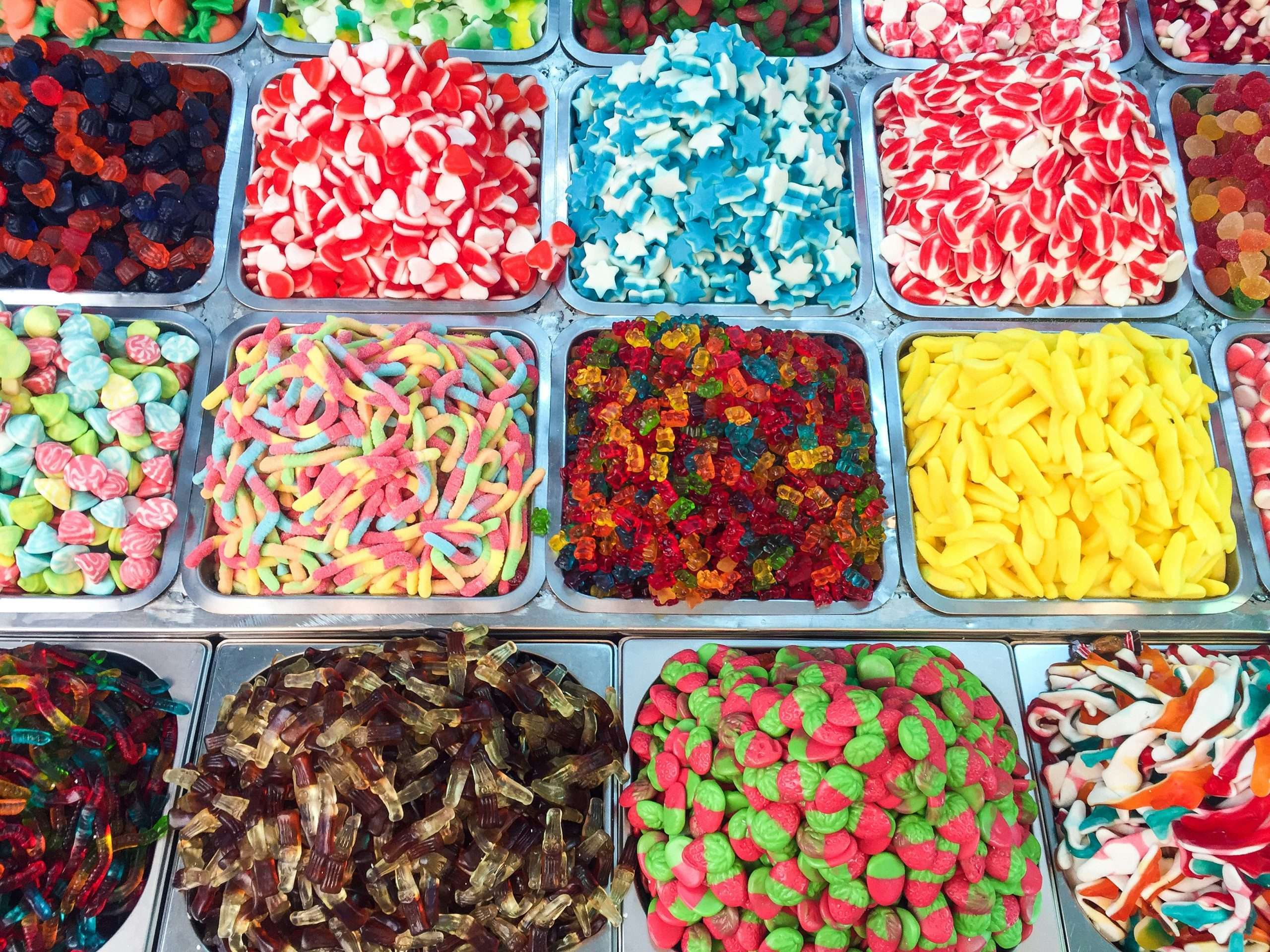
Swedish Candy – Hit
Swedish candy, especially the lösgodis “pick-and-mix” tradition, has gotten global attention. It’s known for better-quality ingredients, a huge variety of textures and flavors, and even vegan-friendly options.
The only real drawbacks are price and availability outside of Sweden. Also, flavors like salty licorice tend to divide people.
For me, this is a hit. It’s fun, flavorful, and a step up from typical American candy. If you can get your hands on it, it’s worth trying.
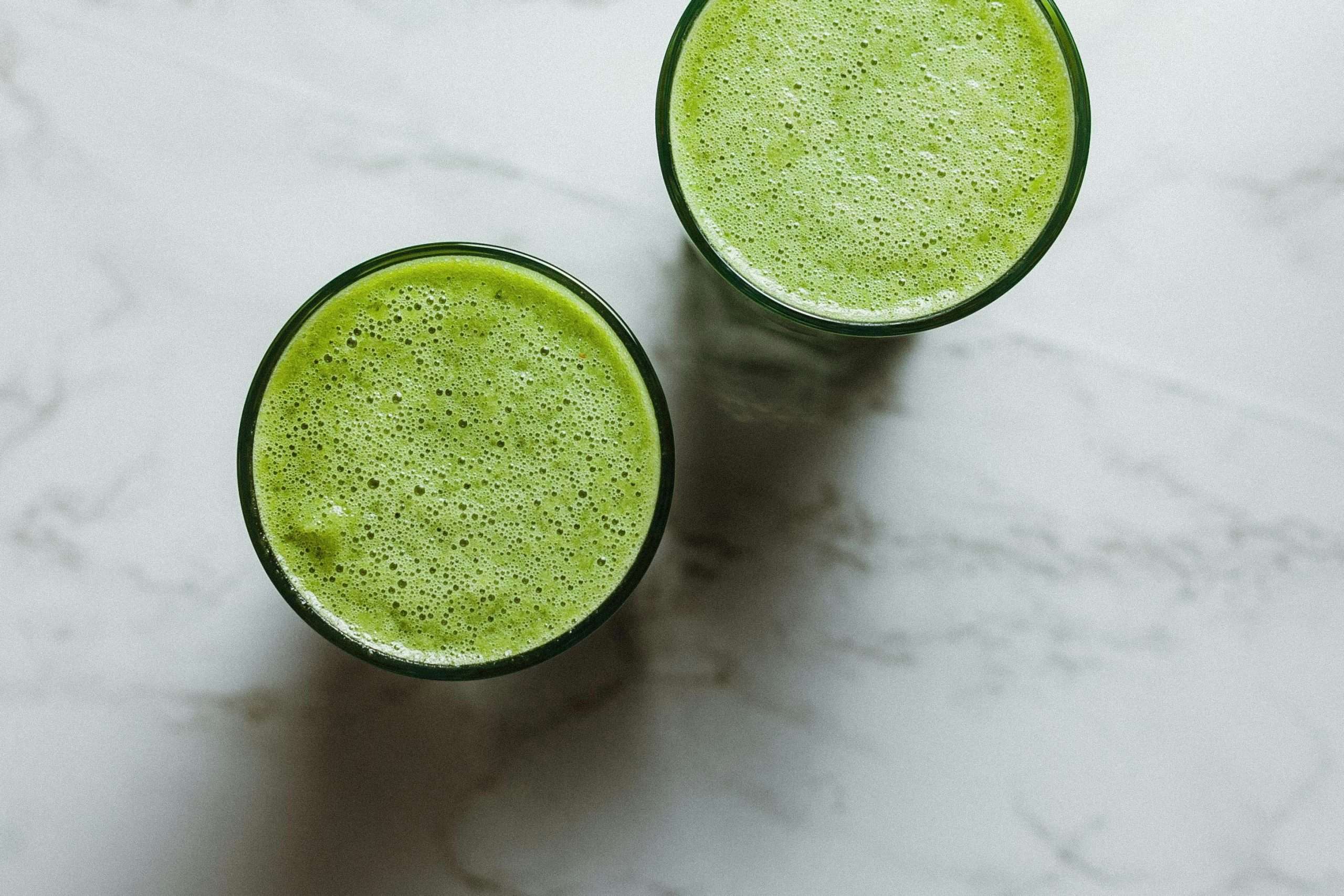
Greens Powder – Miss
Greens powders became popular as a “shortcut” to eating vegetables. Just scoop, stir, and drink your nutrients. Convenient? Sure. But they’re often overpriced, missing fiber, and sometimes contain additives or contaminants.
Fans like the idea of an easy solution, but nutritionists stress that powders aren’t a real substitute for whole vegetables.
I’d call this a miss. At best, it’s an expensive supplement. At worst, it gives people a false sense of eating healthy. Whole veggies are still the way to go.
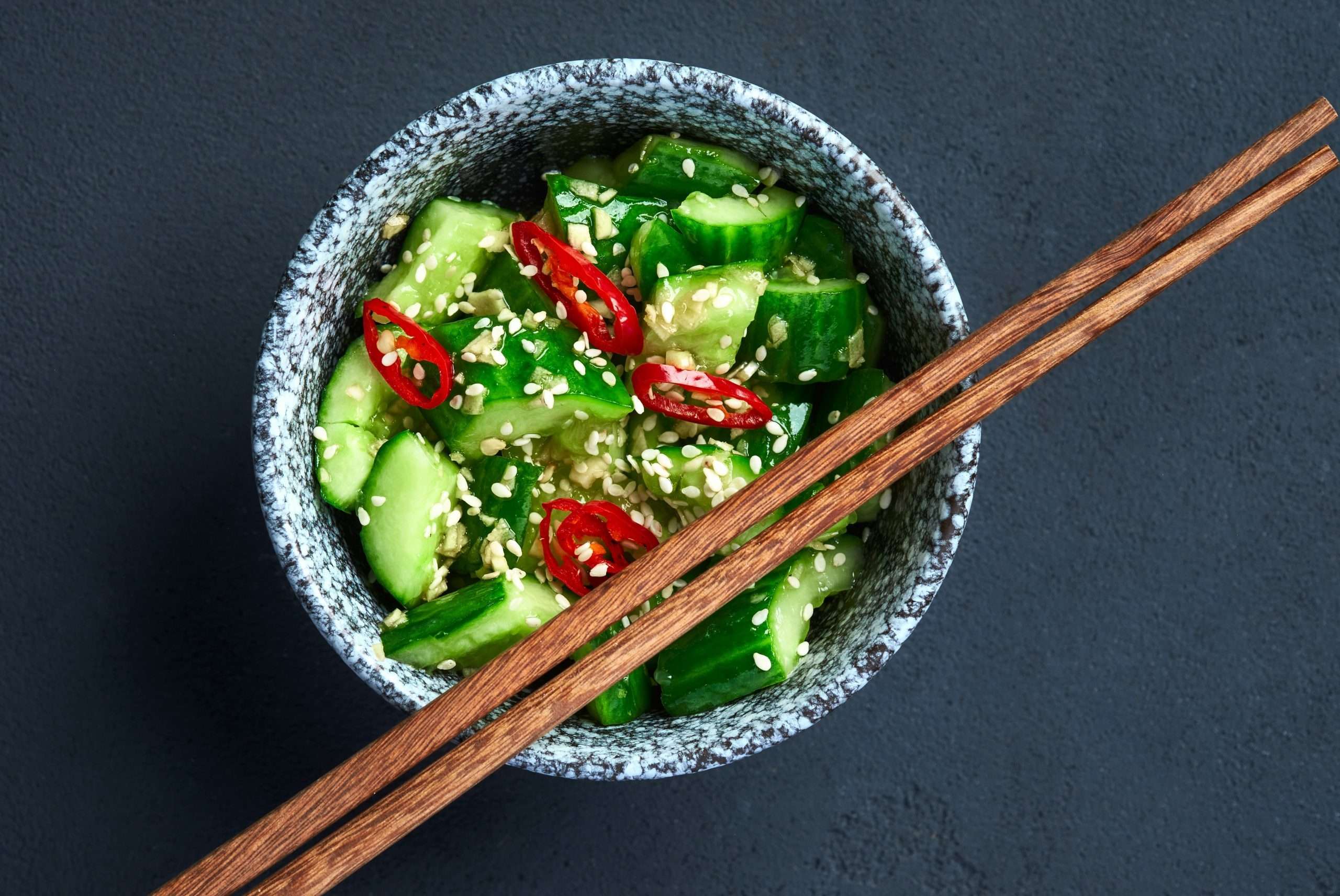
Carrot & Cucumber Salads – Hit
Carrot and cucumber salads became a simple, refreshing food trend. They’re hydrating, low-calorie, full of vitamins, and endlessly customizable with dressings and spices.
The downsides are pretty minor. Cucumbers can get soggy if stored too long, and eating too much raw fiber can upset your stomach.
I see this as a hit. It’s not a full meal, but it’s a cheap, easy side dish that works with almost anything.
Final Thoughts
Food fads come and go, but not all are created equal. What these trends show is that food is always evolving, and social media accelerates that cycle. The best approach is to enjoy experimenting while also staying realistic: not every viral recipe or product deserves a permanent spot in your diet. If a fad inspires you to eat better, cook more, or discover new flavors, that’s a win. But if it’s unsustainable, unbalanced, or just plain unappealing, it’s okay to let it fade away with the algorithm.
Macy is a Senior Communications and Leadership Major at the University of Texas at Austin. She has always loved music, sports, and the great outdoors, and more recently developed a passion for cooking and finding great eats. She loves the city and discovering all the magnificent events, places, and restaurants Austin has to offer.