
Film Review: Do No Harm (2025)
 Texas Tasty Team
 October 31, 2025
Chris Hartwell’s Do No Harm is one of those films that sneaks up on you. It starts off small, quiet and grounded, almost routine, but before you know it, you’re pulled into a world of guilt, moral tension, and human fragility. It’s a story about what happens when doing the right thing isn’t so simple, and when one small mistake ripples into every part of a person’s life.
 Credit: Do No Harm
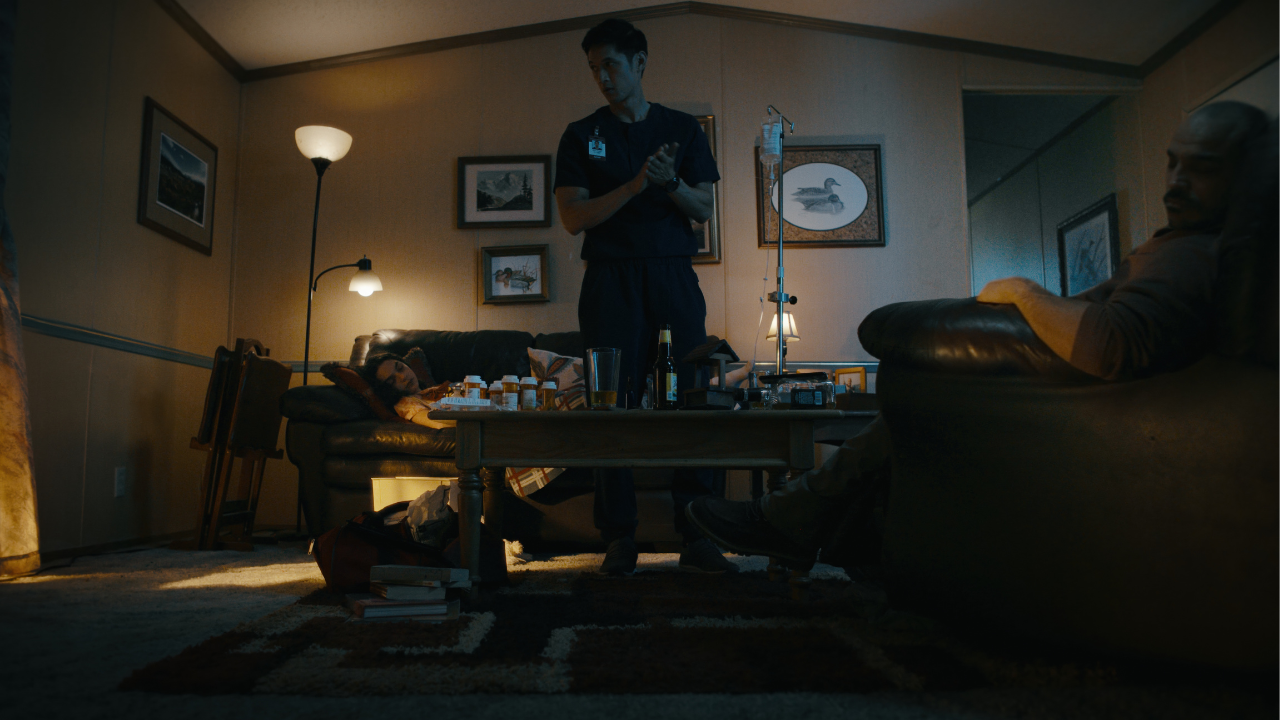
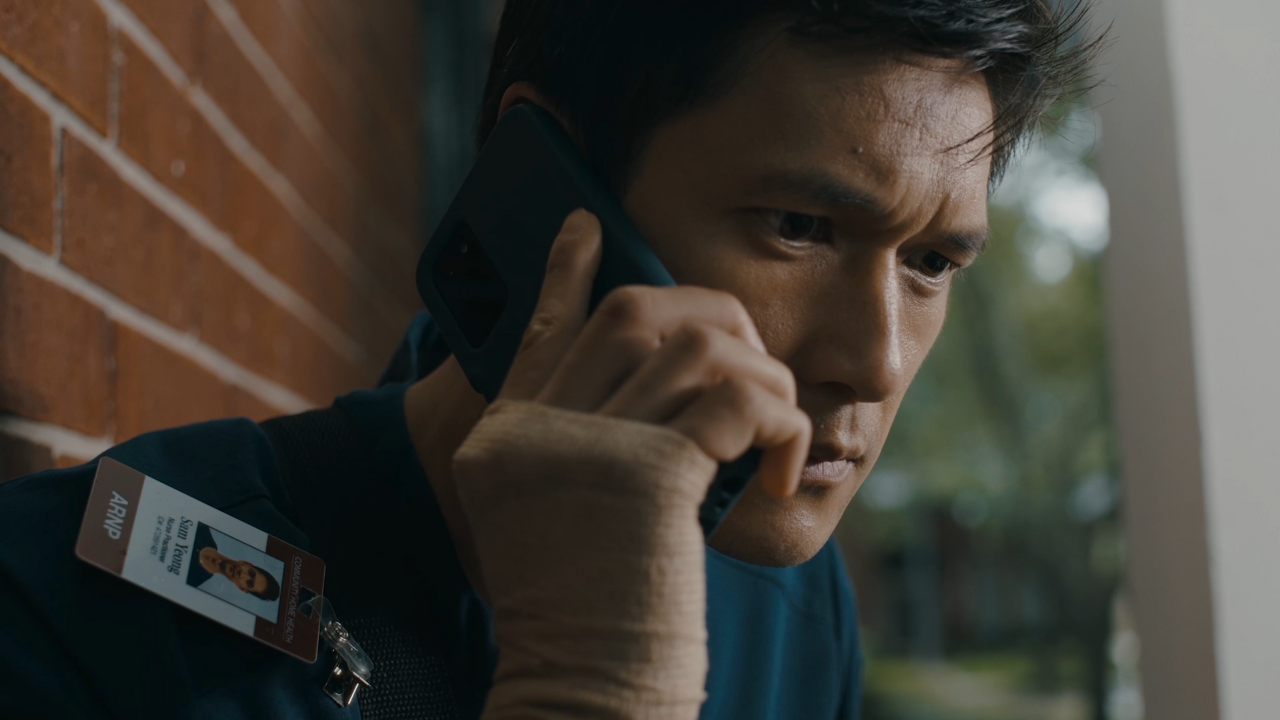
The film centers on Sam (Harry Shum Jr.), a home-health nurse who’s good at his job but clearly burning out. He’s tired, overworked, emotionally drained, and it shows. One day, a mistake happens. It’s quick, it’s quiet, and it changes everything. What follows isn’t a sensational thriller or courtroom drama, but an honest, deeply human portrait of a person unraveling. Sam tries to keep up appearances and carry on as if nothing happened, but guilt starts to consume him. His work, his relationships, and his sense of self all begin to fracture under the pressure.
 Credit: Do No Harm
Hartwell doesn’t frame this as a story about villains or victims. Instead, it’s about ordinary people trying to survive in an unforgiving system. The title, Do No Harm, becomes almost ironic. It’s the moral code every healthcare worker lives by, yet it’s impossible to uphold perfectly when the system is stretched thin and the people have a limit. Hartwell clearly understands that tension, and he directs with empathy rather than judgment.
What really stands out is the film’s tone. You can constantly feel the tension throughout the film. It comes from the silences, from Sam’s hesitations, his long stares, and the weight of decisions he can’t undo. Hartwell uses pacing as a storytelling tool, letting moments breathe instead of rushing toward the next dramatic beat. The film’s world feels real with the muted lighting, the low hum of machines, the monotony of patient visits. All of it builds a sense of realism that makes Sam’s downward spiral feel painfully authentic.
 Credit: Do No Harm
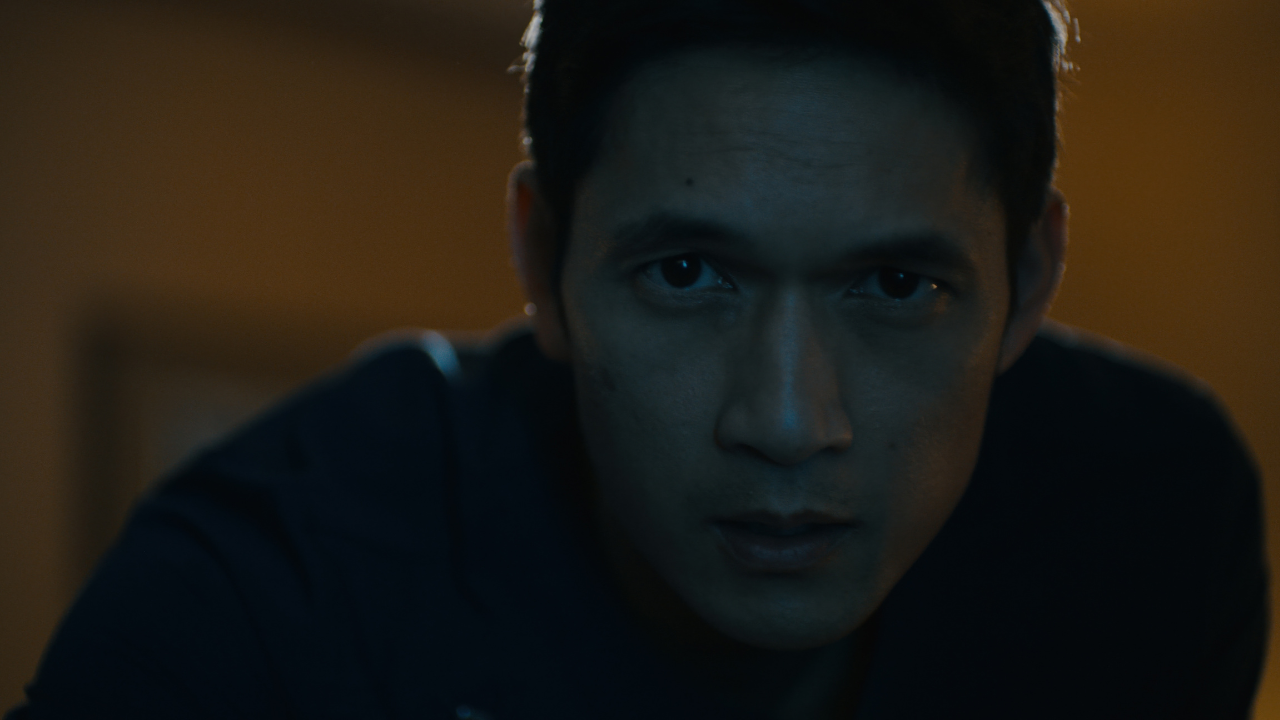
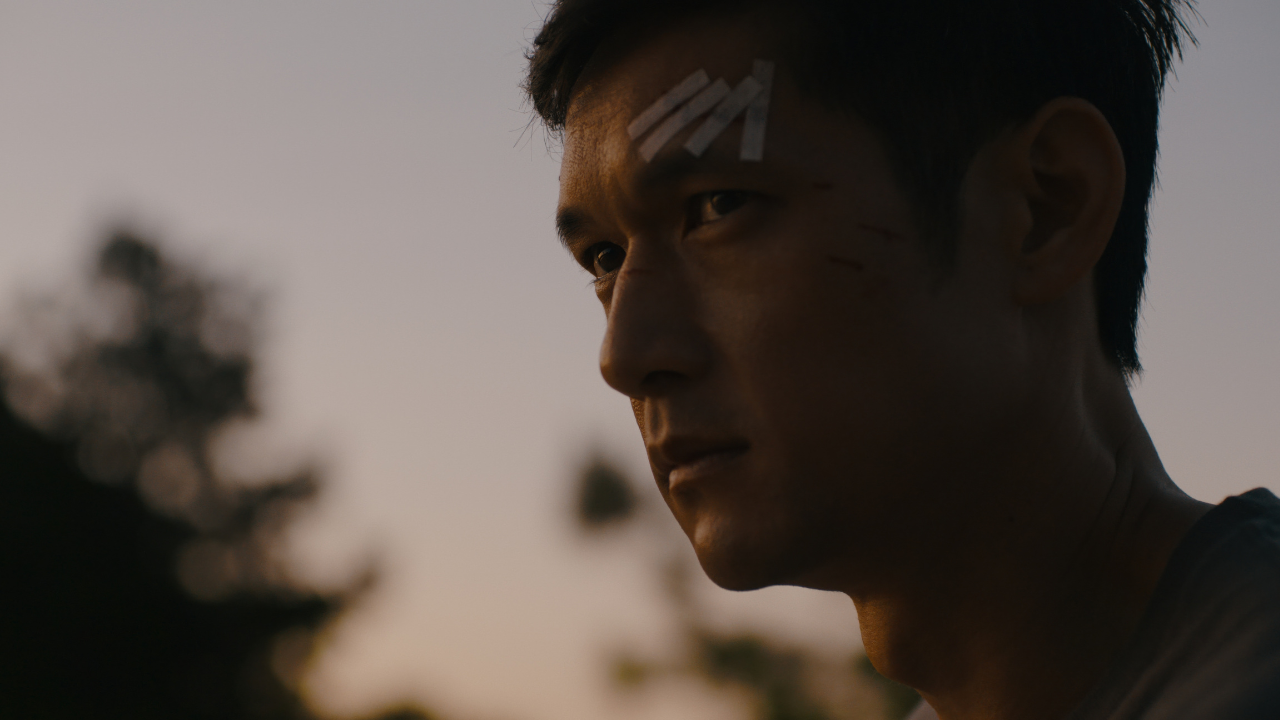
Harry Shum Jr. is phenomenal here. His performance is understated but powerful, filled with small, emotional details from the stiffness in his shoulders, the forced calm in his voice, the quiet panic behind his eyes. He captures what it feels like to keep functioning when you’re internally falling apart. Rosaline Elbay and Ronny Chieng offer strong supporting turns, each reflecting different sides of Sam’s life and their interactions help deepen the sense of conflict.
 Credit: Do No Harm
In the end, Do No Harm isn’t about punishment or redemption so much as it’s about reckoning with yourself, your choices, and the systems that fail you. It’s the kind of film that makes you think about the quiet moral compromises people make every day just to survive.
The Texas Tasty Team is a dedicated group of writers and editors who love all things Texas. From food to culture, they share the best of the Lone Star State through engaging articles and captivating stories. Their mission is to inspire readers to explore and embrace the rich heritage and diverse offerings of Texas.