
Colossal Biosciences’ Mission to Bring Back the Dire Wolf
 Texas Tasty Team
 April 7, 2025
Colossal Biosciences and its founder, Texas billionaire Ben Lamm, are at the forefront of one of the most ambitious and exciting scientific endeavors of our time: bringing back the dire wolf. This long-extinct creature, once an apex predator of the Pleistocene era, is now the focus of cutting-edge genetic research and de-extinction technology. Through the use of CRISPR gene editing and advanced genetic sequencing, Colossal is not just dreaming of a world with dire wolves again—they’re actively working to make it a reality. Let’s dive into the science, the ethics, and the groundbreaking potential of this project.
Reviving the Dire Wolf: The Science of De-Extinction
The idea of de-extinction may sound like science fiction, but it’s becoming increasingly plausible thanks to advancements in genetics. In a recent video shared by Colossal Biosciences, their team explains how they’re using CRISPR technology to edit the genes of modern wolves, specifically gray wolves, to replicate the traits of the ancient dire wolf. The goal is to bring back a creature that was larger and more powerful than today’s wolves, a true giant of its time.
The process starts with sequencing the genomes of closely related species. Colossal has access to a wealth of genetic data from both wolves and ancient dire wolves, allowing them to identify the specific genes that made the dire wolf so distinct. By editing the DNA of modern wolves, they aim to reintroduce traits like size, strength, and certain behavioral patterns, which could eventually lead to the creation of an animal that is genetically and phenotypically similar to the dire wolf.
As the team discusses in the video, the challenge is not just about creating an animal that looks like the dire wolf; it’s about recreating a species that could behave like one too. These wolves could potentially play the same ecological roles as their ancient ancestors, hunting in packs and helping to balance ecosystems.
Why the Dire Wolf?
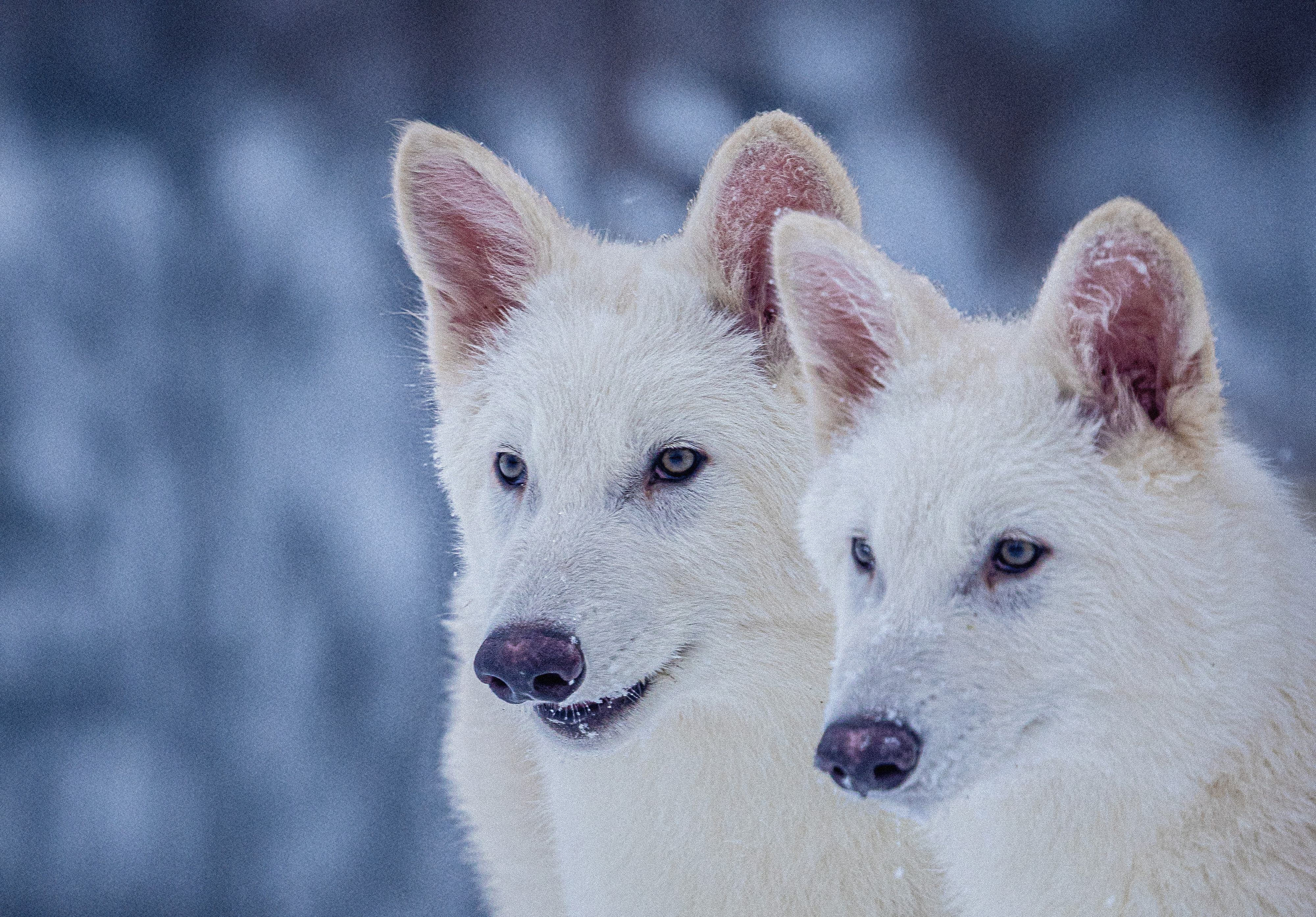
The dire wolf is not just another extinct animal—it’s an icon of prehistory. These wolves, which roamed North America tens of thousands of years ago, were formidable predators, larger and more powerful than the wolves we know today. They were key players in the Pleistocene ecosystem, hunting large prey and influencing the environment around them.
Colossal’s focus on the dire wolf stems from its ecological importance and the possibility of using this iconic species to help restore balance to modern ecosystems. The company’s work with de-extinction isn’t just about resurrecting an ancient creature for the sake of novelty; it’s about understanding how these species once interacted with their environments and potentially using them to correct ecological imbalances.
Scientists know that the loss of large predators like the dire wolf has had significant impacts on ecosystems, contributing to overpopulation of certain species and disrupting the natural order. By bringing back the dire wolf, Colossal could help restore some of the lost ecological processes that shaped the world before humans had such a profound effect on it.
The Ethics of Bringing Back Extinct Species
The ethical questions surrounding de-extinction are as complex as the science behind it. Colossal acknowledges these concerns, with the team emphasizing the importance of responsible science. Critics argue that resurrecting extinct species could be playing with forces we don’t fully understand, especially when it comes to reintroducing apex predators into modern ecosystems.
The dire wolf, for example, would be an unfamiliar presence in today’s world. Reintroducing them could have unintended consequences for existing wildlife populations, and scientists must consider how these animals would interact with other species in our current environment. While it may be exciting to imagine dire wolves once again running across the plains, we must also think critically about how these animals would fit into the world we’ve shaped today.
Moreover, there’s the issue of animal welfare. Would these genetically engineered creatures live fulfilling lives? Could they thrive in modern conditions, or would they struggle without the natural predators and prey they once relied on? These are questions that Colossal Biosciences and other de-extinction researchers are constantly grappling with as they move forward.
A New Frontier for Conservation
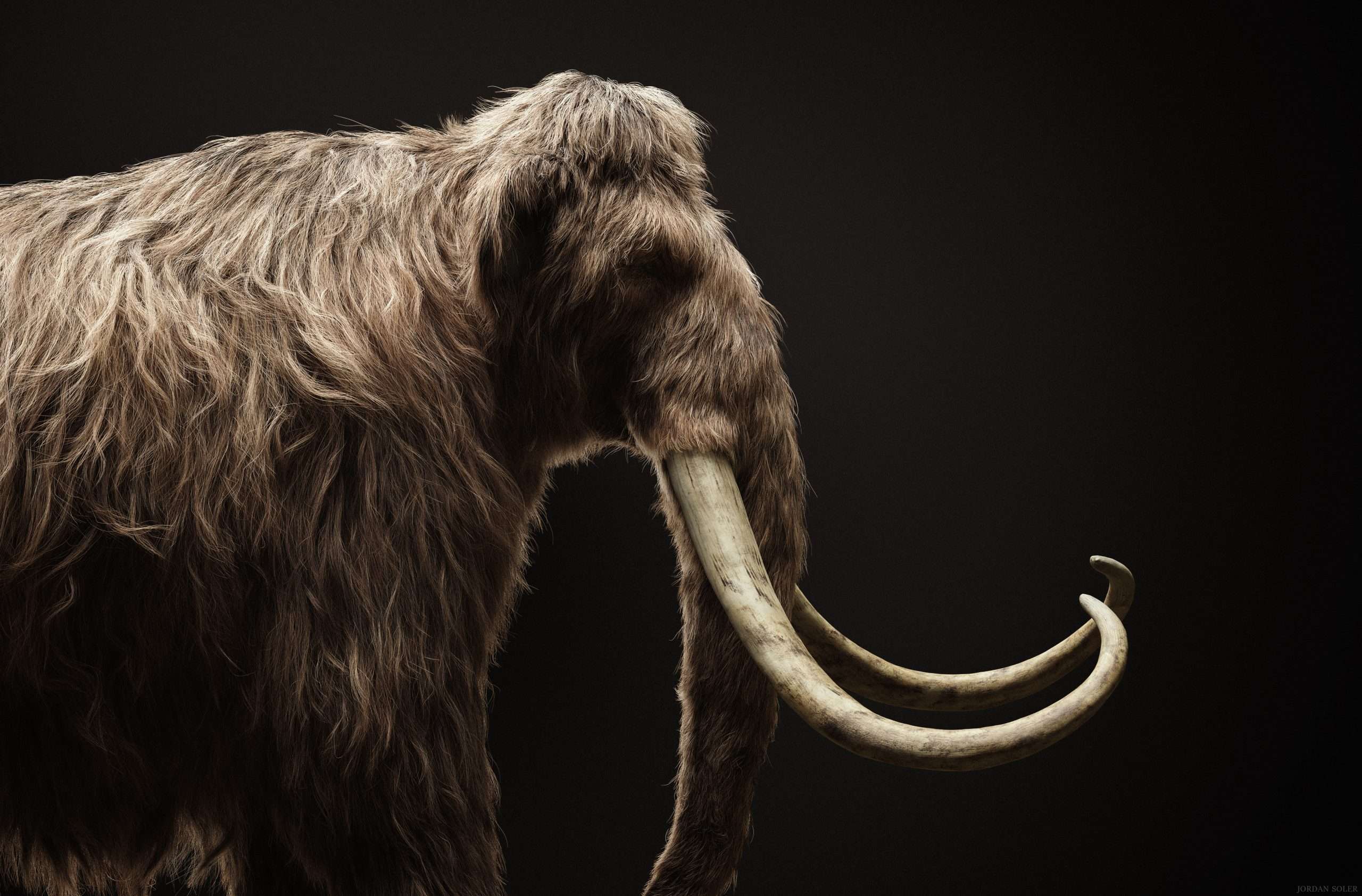
One of the most exciting aspects of Colossal’s mission is its potential to change the future of conservation. If the company is successful in resurrecting the dire wolf, it could pave the way for reviving other long-extinct species, such as the woolly mammoth. Beyond curiosity, the idea is to use de-extinction as a tool for ecological restoration.
In the past, large predators like the dire wolf helped regulate populations of herbivores, which, in turn, influenced plant life and other animal species. In theory, by reintroducing apex predators into ecosystems where they have been absent for millennia, we could help restore biodiversity and create healthier, more balanced ecosystems.
Additionally, Colossal’s work could help improve conservation strategies for endangered species today. By studying the genetic makeup and survival mechanisms of creatures like the dire wolf, scientists could develop new techniques to help endangered species adapt to modern environments and climate change.
Looking to the Future: The Promise of De-Extinction
While the resurrection of the dire wolf is still in its early stages, the implications of this work could be enormous. If Colossal Biosciences succeeds, it could not only bring back one of the most famous extinct animals in history but also help change the trajectory of conservation science forever. The company is proving that we can use modern technology to revisit the past—and perhaps make it better.
The prospect of de-extinction might feel like something out of a futuristic world, but Colossal is turning it into reality right before our eyes. With each breakthrough, they are edging closer to a world where extinct creatures once again roam the Earth, and where the boundaries of biology, ecology, and genetics are pushed to new heights.
As we look to the future, the question isn’t just about whether we should bring back the dire wolf. It’s about how we balance innovation with ethical responsibility, and how these innovations could transform conservation and biodiversity for generations to come.
Colossal Biosciences is changing the way we think about extinction and conservation. By bringing the dire wolf back into the fold of modern science, they’re proving that the impossible might not be so far out of reach after all. With de-extinction at the cutting edge of biotechnology, the dream of reviving ancient creatures could soon become a reality—and with it, the possibility of restoring ecosystems that have been disrupted for centuries. Only time will tell how this ambitious project unfolds, but one thing is clear: the future of biodiversity could look very different than we ever imagined.
The Texas Tasty Team is a dedicated group of writers and editors who love all things Texas. From food to culture, they share the best of the Lone Star State through engaging articles and captivating stories. Their mission is to inspire readers to explore and embrace the rich heritage and diverse offerings of Texas.