
De Nada Margs: What’s the Appeal?
 Kayla Cano
 April 28, 2026
It seems like on any given night in Austin, the line between a casual hangout and a full-blown social ritual begins with the same question: “Do you want to grab a marg?”
It makes a long work week worth the hassle, knowing there are plans of meeting up with friends for a drink to debrief.
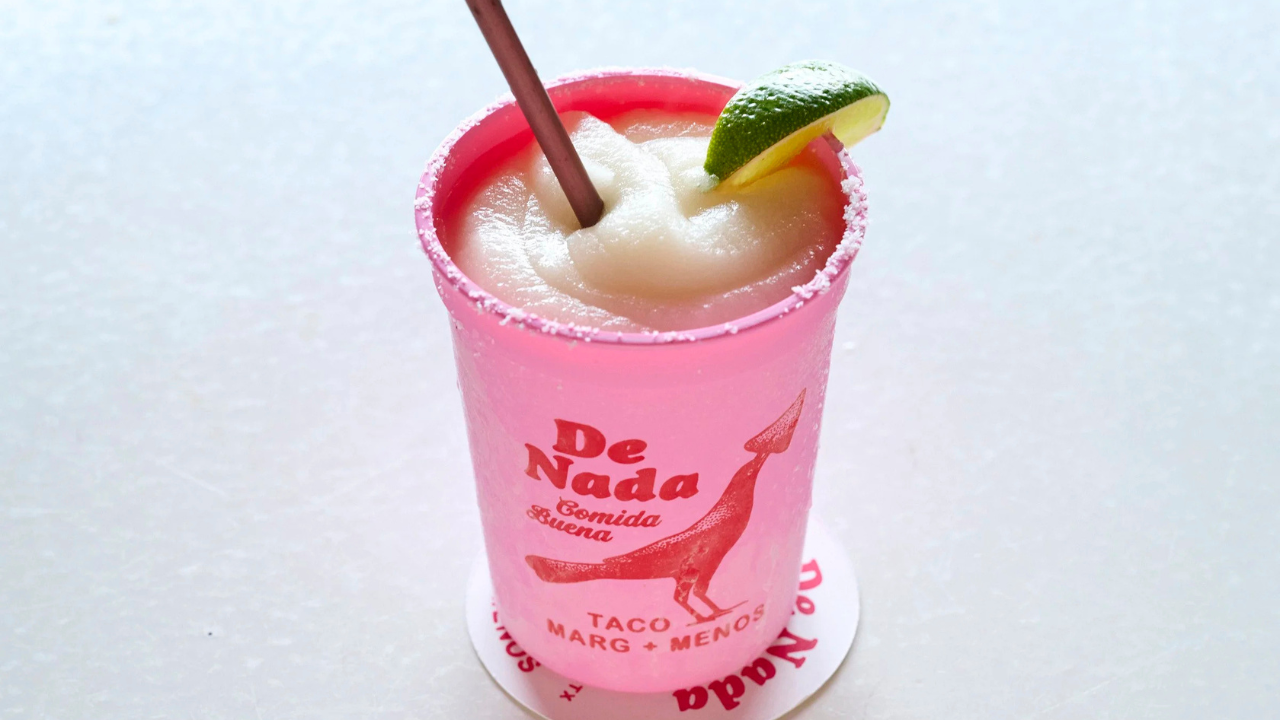
Not just any margarita, but a frozen one—icy, refreshing and usually served in a salt-rimmed glass that sweats in the Texas heat.
At spots like De Nada Cantina, frozen margaritas aren’t just a menu item—they’re the main event. Friends gather around patio tables, pitchers arrive before entrées, and drinks are served quickly, consistently and ice-cold. It’s a rhythm that feels distinctly Austin: laid-back, social and just indulgent enough.
But the city’s obsession with frozen margaritas isn’t just about taste. It’s about timing, economics and a broader cultural shift in how people go out.
 Credit: De Nada Cantina
Origin of the Marg
The frozen margarita isn’t new. It dates back to the 1970s, when the invention of frozen drink machines transformed cocktails into batchable, high-volume staples. In recent years, however, its popularity has surged again—especially in cities like Austin, where heat and outdoor dining go hand in hand.
Unlike hand-shaken cocktails, frozen margaritas are built for efficiency. They can be batched in large quantities, poured quickly and replicated with near-perfect consistency. For restaurants, that means faster service and less strain on staff—an appealing combination at a time when labor and ingredient costs continue to rise.
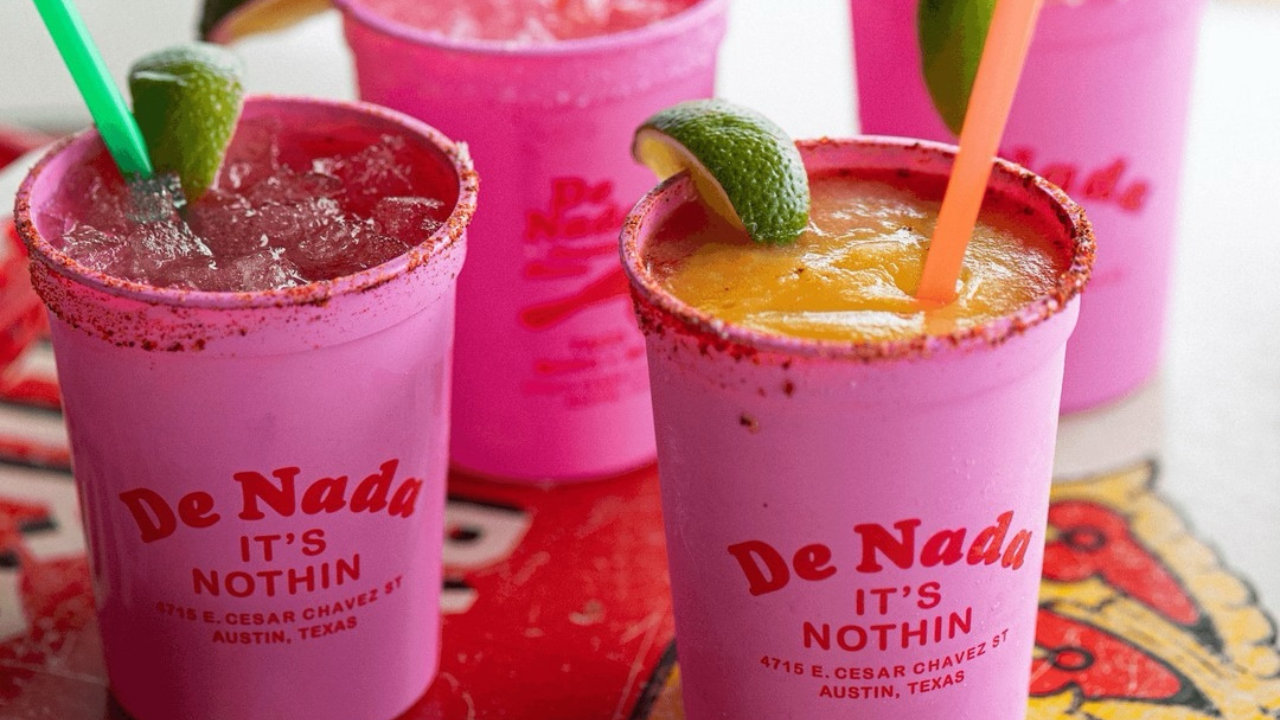
For customers, the appeal is just as clear. In a city where summer temperatures regularly climb into triple digits, a frozen drink offers instant relief. It’s less about complexity and more about refreshment—something cold, reliable and easy to enjoy.
 Credit: De Nada Cantina
Why It Works
The frozen margarita boom is also deeply tied to Austin’s Tex-Mex food culture. The bright acidity of lime and the bite of tequila cut through rich dishes like queso, enchiladas and tacos, creating a balance that feels both indulgent and satisfying.
Even so, restaurants across Austin have embraced the pairing, building menus and atmospheres that encourage sharing and lingering. While De Nada has become a recognizable name in this space, it represents a broader movement rather than a singular destination. From neighborhood staples to trend-driven eateries, frozen margaritas have become a unifying feature—something familiar that brings people together.
Part of the drink’s staying power lies in its accessibility. As the cost of dining out continues to climb, many consumers are looking for ways to maintain a social life without overspending. Frozen margaritas, often priced lower than craft cocktails, offer a middle ground: affordable, enjoyable and shareable.
For many Austinites, going out no longer means committing to a full dinner or a long night at a bar. Instead, it might look like meeting friends for a round of drinks on a patio, splitting chips and salsa and calling it a night. In that context, the frozen margarita becomes more than a beverage—it becomes a small escape that doesn’t break the bank.
What ultimately sets the frozen margarita apart is the experience it creates. It encourages people to slow down, sit outside a little longer and connect with friends. Its simplicity is part of its appeal—there’s no need to analyze flavor notes or presentation. It’s a drink designed to be enjoyed, not overthought.
Why I Hope This Trend Won’t End
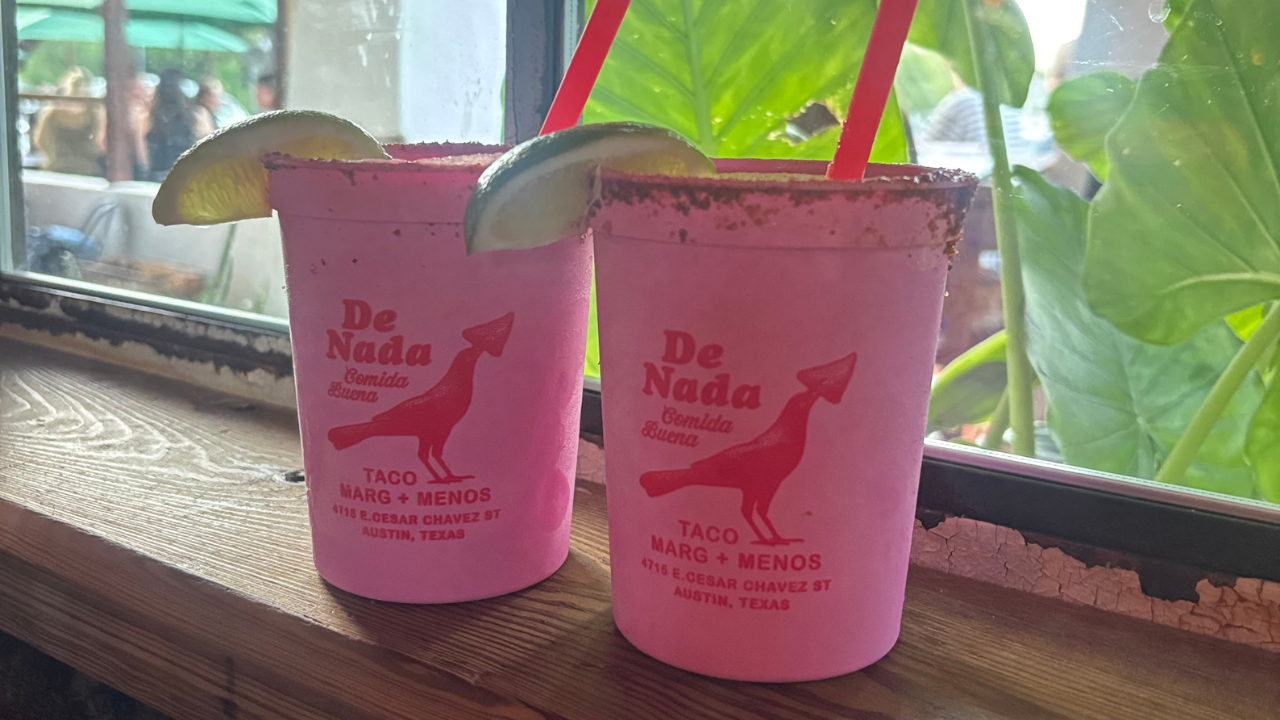
In a city that values creativity and community, the frozen margarita fits naturally into the rhythm of daily life—whether it’s a midweek wind-down after a long day or a weekend catch-up with friends.
What ultimately makes it work isn’t just the drink itself, but how seamlessly it fits into the environment. The margarita arrives quickly, stays cold just long enough, and pairs effortlessly with the kind of relaxed, social atmosphere that defines a night out in Austin.
As Austin continues to grow and change, the frozen margarita remains a constant. It’s a reminder that the most enduring trends aren’t always the most complex—they’re the ones that bring people together, one glass at a time.
Kayla Cano is a senior journalism major with a minor in social work at the University of Texas at Austin. In her free time, she enjoys exploring new coffee shops around Austin and spending time with her dog, Smokey. Kayla is deeply passionate about storytelling and advocacy, and she hopes to use her work to amplify underrepresented voices.